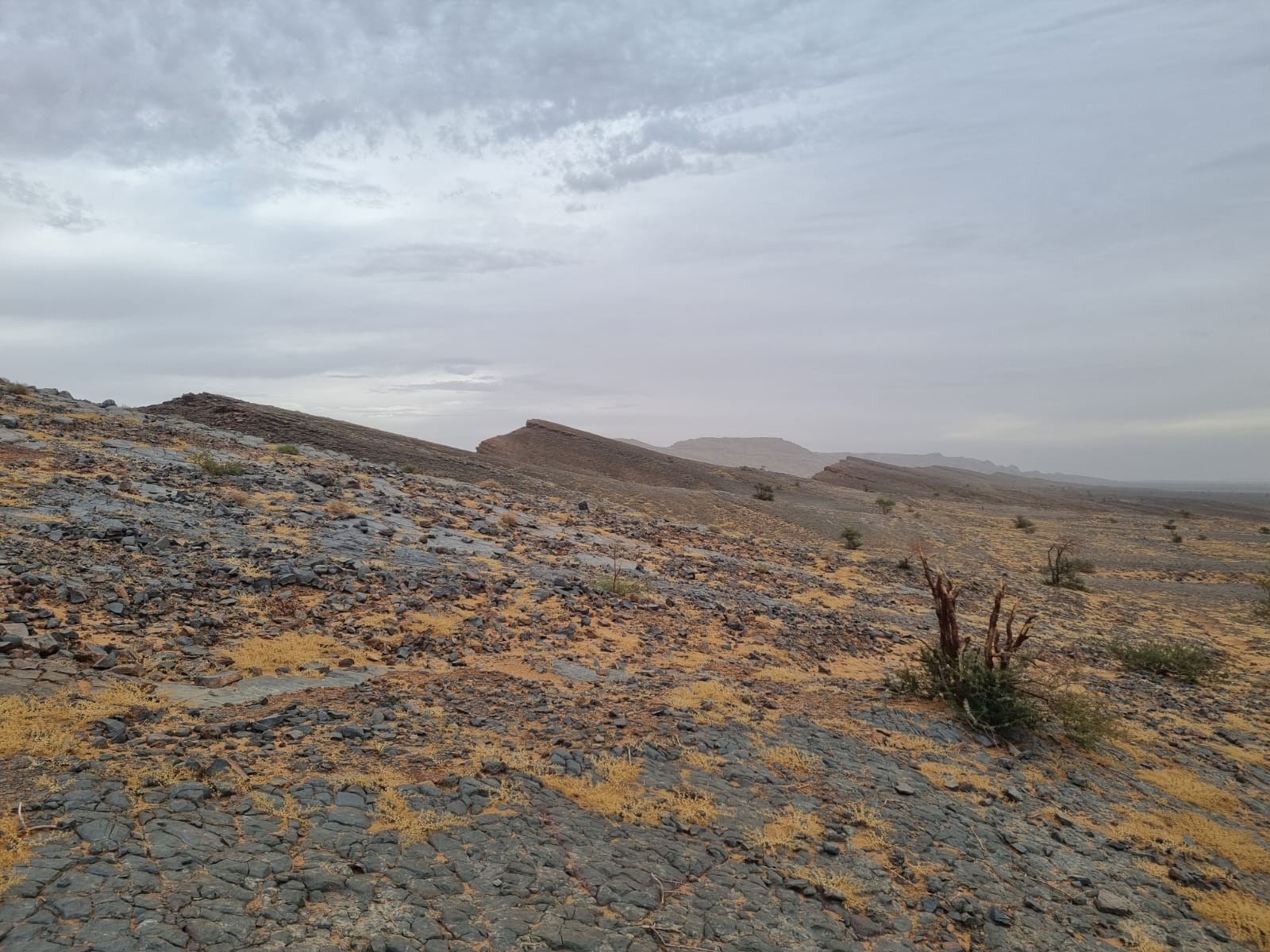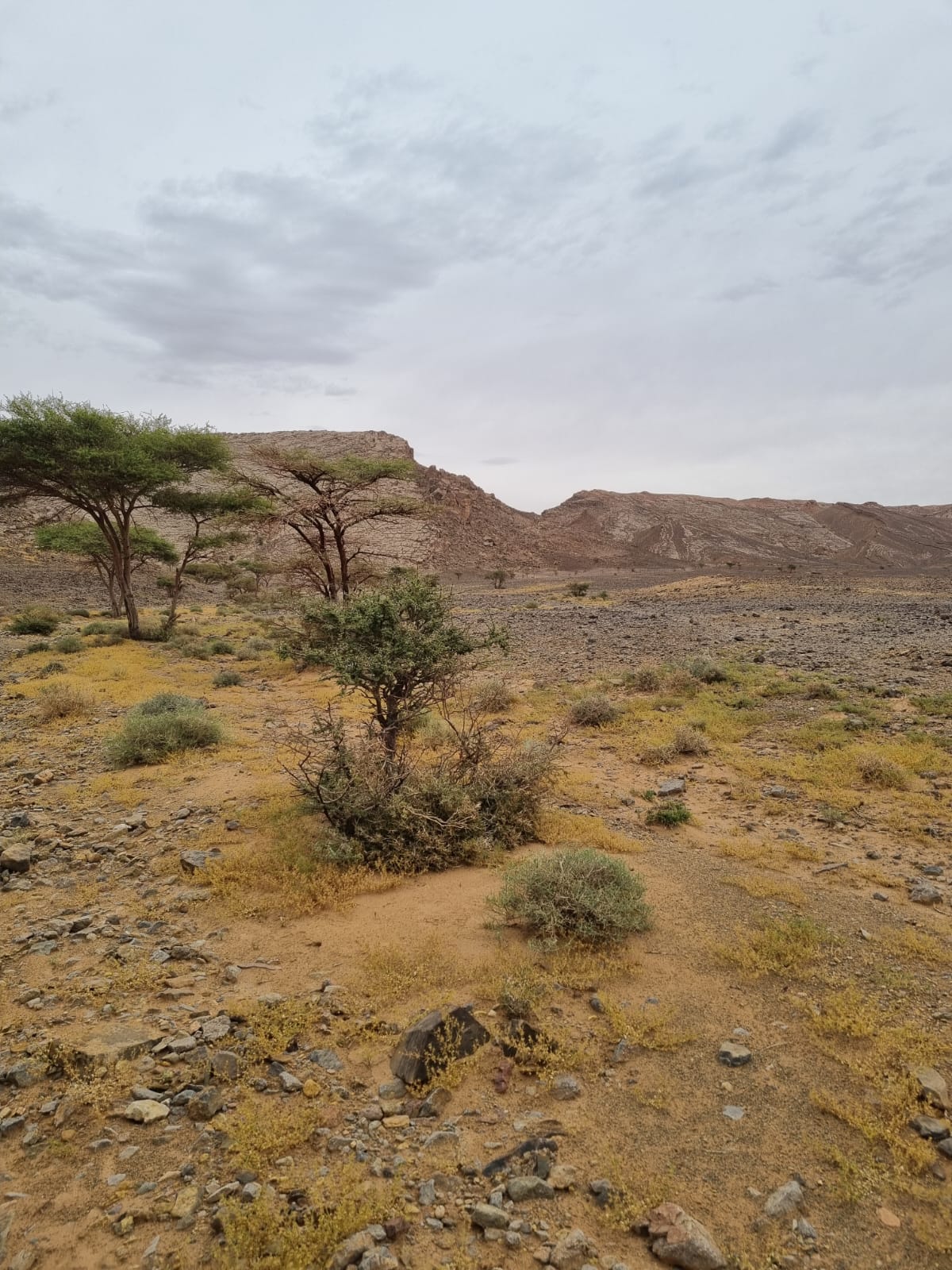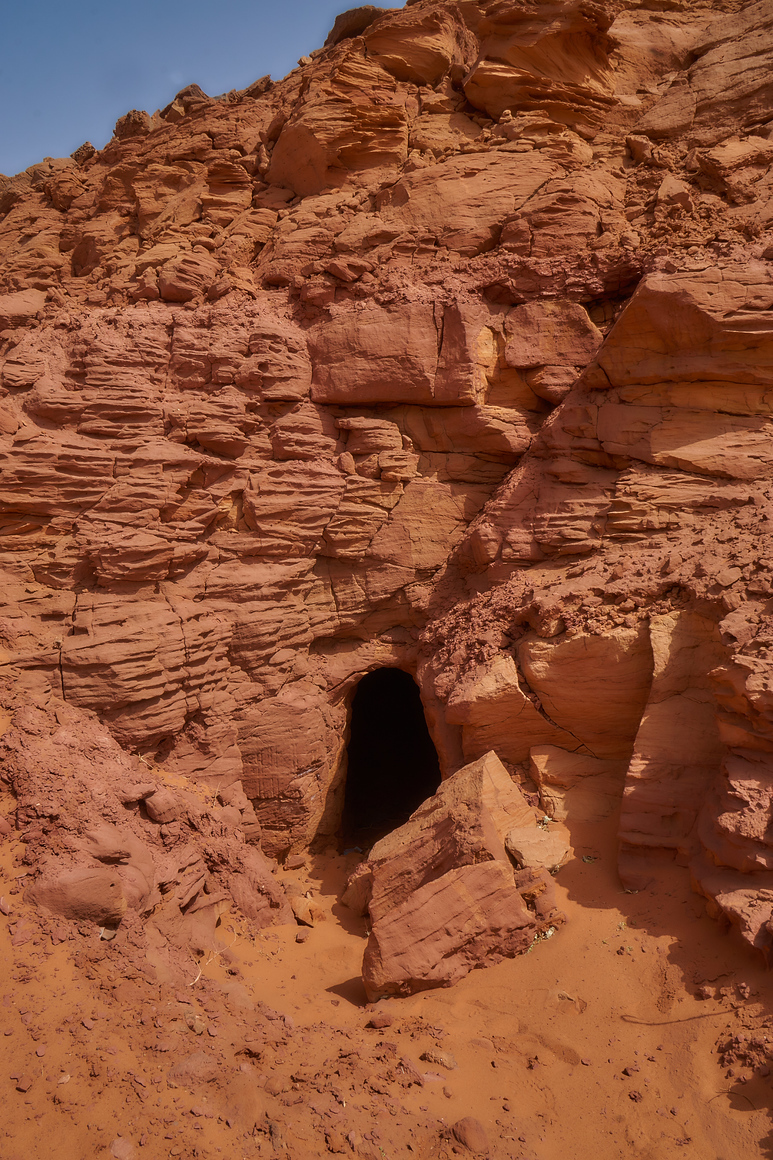
Merzouga is the gateway to Erg Chebbi and the dunes that show up on every postcard—but there’s a lot more to do and see here than a single night in the sand. Whether you want to sleep under the stars, ride a camel into the desert, hunt fossils, listen to Gnawa music, or explore kasbahs and underground canals, the area has something for everyone.
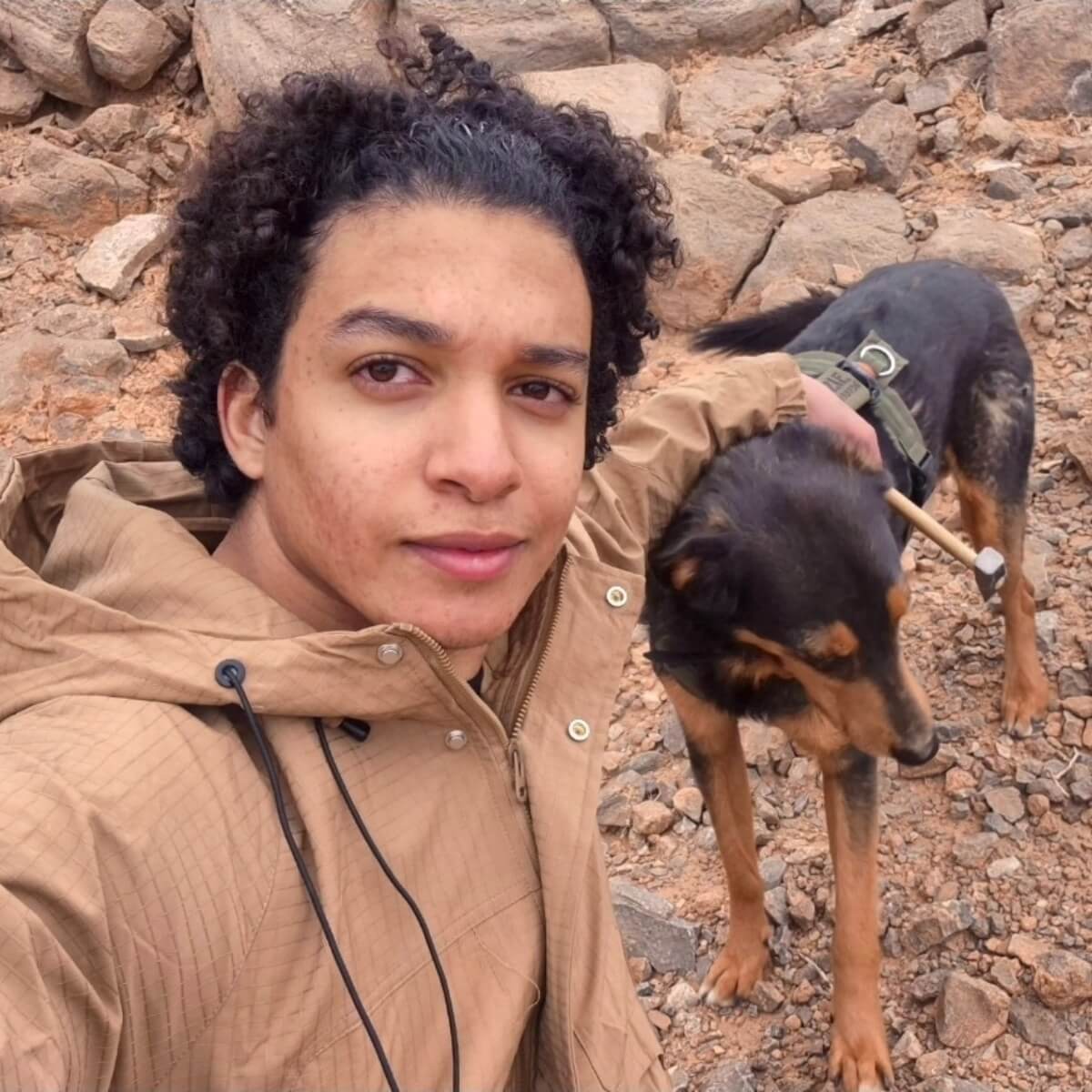
Hi, I’m Moha.
Born and raised in the desert, I help people discover the Sahara the right way. I can help you plan your dream desert trip.
This list covers 15 experiences we think are worth your time: 10 things to do—from classic desert activities to ones you won’t find everywhere—and 5 things to see in and around Merzouga. Use it to plan a short stop or a longer stay; either way, you’ll have a clear picture of what’s possible.

1. Sleep in the dunes

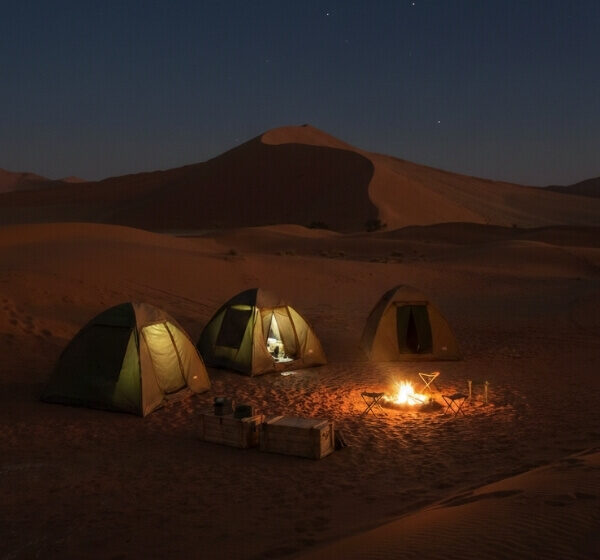
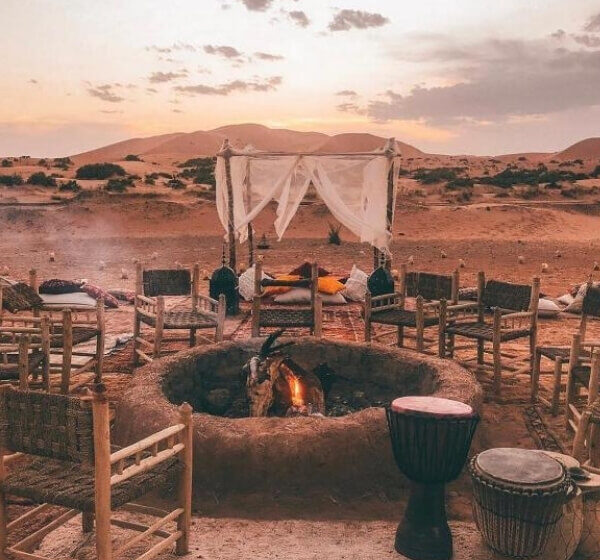
Spending a night in the dunes is what most people come to Merzouga for. You can do it in two very different ways: the touristic way—a night in a desert camp—or the natural, more authentic way—wild camping in the dunes.
A night in a desert camp is the touristic and easier option. Camps are built for visitors: fixed tents, beds, dinner, often music or entertainment. Many have private bathrooms, hot showers, and other comforts. You get the dunes and the stars in a controlled, comfortable setting. It’s convenient and predictable—good if you want the experience without leaving comfort behind—but it’s clearly a product designed for tourists.
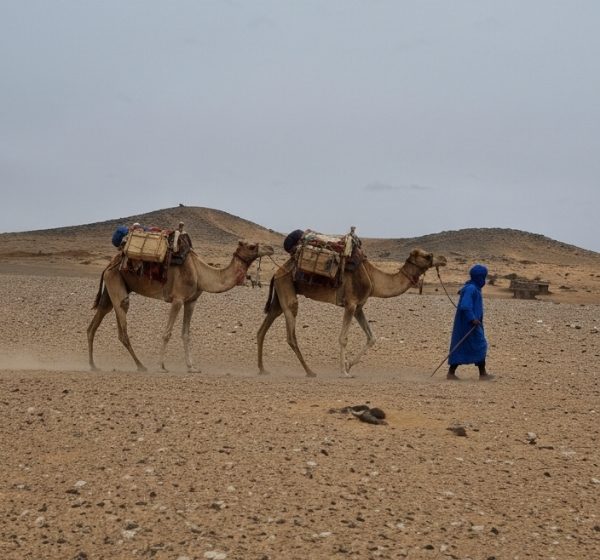
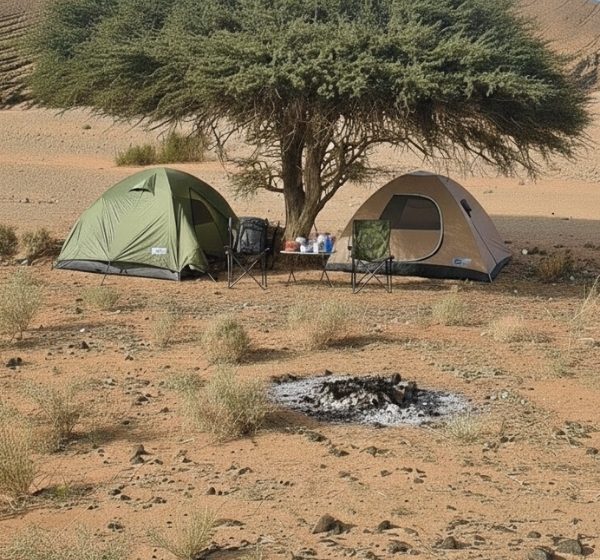
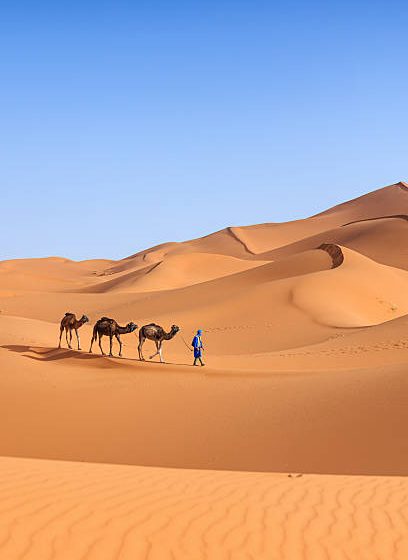
Wild camping is a more authentic Experience. the way the nomads does it, you walk with a nomad, Camels carry your tents, food and gear. You walk or ride into the desert until the camps and the crowds are out of sight. When you stop, you pitch the tent, get a fire going and cook dinner under the stars. No toilets, no lights, no other groups—just you, the sand and the sky. You wake up to silence and the first light on the dunes. It’s simple and a bit rough, but it’s the real desert, not a set built for tourists.
We Offer Both Options:

2. Camel trekking

Camel trekking is one of the classic things to do in Merzouga. You move slowly through the dunes on camelback—for a short ride or a multi-day trek. The activity is the same; the experience depends on how you do it.
Touristic camel trekking is a short ride: an hour or two into the dunes (often for sunset or sunrise) or as a transfer to a camp. You get the photo and the feeling, with a set route and no real expedition. Easy and predictable.
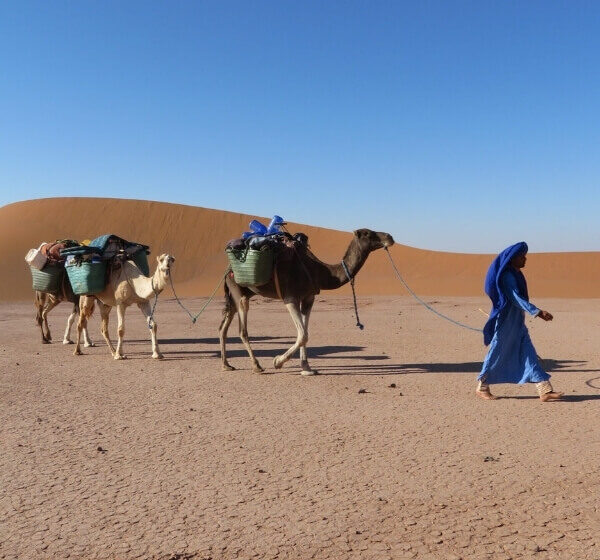
Authentic camel trekking is done the same way the real nomads do it. Camels carry your tents, food and gear. You ride or walk with them for a full day or several days, away from the main areas. You sleep in the dunes and cook over a fire. It’s the traditional way to travel in this desert—slower and more demanding, but the real thing.
Camel Ride is usually included in desert camps, if you look for a real trek we do it:
3. Quad bike in the dunes

Riding a quad bike in the dunes is one of the most popular activities in Merzouga. You drive yourself over the sand, follow a guide through Erg Chebbi, and get the thrill of speed and the views at the same time. Trips are usually a few hours—half-day or sunset—and you don’t need experience; they show you the basics before you set off. It’s noisy and energetic, the opposite of a quiet camel trek, but many people like it. You can go as a solo rider or with a group. Book with a local operator in Merzouga or at your hotel.

4. Fossil hunting

The Sahara is one of the best places in the world to look for fossils—if not the best. The desert around Merzouga and Erfoud was once under the sea and later home to dinosaurs. Today you can still find what they left behind: trilobites, ammonites, dinosaur teeth and bones. Fossil hunting here is a real thing to do—you go out with a guide to known sites, learn where to look and how to spot fossils, and often get to keep what you find (within the rules). It works as a half-day trip or over several days with camping. You don’t need to be a fossil expert; it’s easy to get into and feels like a trip into the past.
go fossil hunting with us:


5. Birding and wildlife watching

You can watch the Sahara desert wildlife in and around Merzouga—it’s one of the quieter things to do here. Migratory birds pass through; desert species live here year-round. You can see them near water, at oases, and in the dunes, especially in the early morning or late afternoon when it’s cooler. Beyond birds, the area has desert foxes, fennecs, lizards and other small wildlife. You won’t see big herds; it’s subtle and you need to go slow and look. Birding and wildlife watching work best on foot or on a camel trek, when you’re not in a rush. Quiet and patience pay off.

6. Sandboarding

You can do sandboarding on the Merzouga dunes—sliding down the sand on a board, like snowboarding on the desert. Two common ways to do it: at a desert camp that has boards and a good slope, or during a quad bike tour, when the guide often stops so you can try a run. No experience needed; most people get the hang of it quickly. It’s a fun add-on to a night at a camp or a quad trip, and works for most ages.

7. Classic moped riding (only with Sahara Aventuras)

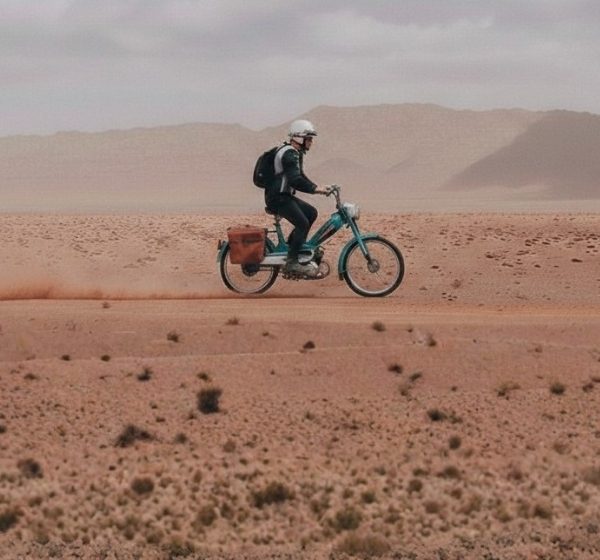
Riding a classic moped in the desert is of the best adventures you can do, and only with Sahara Aventuras. You ride small, classic-style bikes (MBK-type mopeds) on sandy tracks, stop for views and tea, and get a mix of adventure and freedom. Trips can include fossil hunting, a picnic in an Oasis with and cooking your own Berber pizza, or a longer route to Hannsjörg Voth’s land art, Gara Medouar, the khettarat and the ksars of Rissani. It’s simple, fun and different from quads or 4x4s.
Book this Adventure from here:

8. Stargazing

Merzouga is one of the best places for real stargazing. Out in the dunes there’s almost no light pollution, the air is dry and the sky is very dark, so you see the Milky Way, constellations and fainter objects with the naked eye. This is proper dark-sky stargazing, not a quick look from town. You need at least one night in the desert—so you’re there after dark when the sky is at its best. Then you can take your time: let your eyes adapt, pick out constellations, and watch the sky the way it’s meant to be seen.
This tour is a good one for nacked-eye Stargazing:

9. Visit a nomad family

Visiting a nomad family is a chance to see how people really live in the desert. You sit for tea, talk (often with a guide translating), and see their tent, their animals and their daily routines. It’s not a show—it’s a real stop at a family’s home. You see how they find water, manage with very little and live in this landscape. These visits are usually short: an hour or so. They’re often included in longer treks or arranged with a local guide. Go with respect, accept the tea, and don’t expect a performance—just a genuine glimpse of Sahara life.

10. Rissani Market

Rissani is the historic town at the edge of the desert and its market is one of the things to see near Merzouga. The souq runs on set days—Tuesday, Thursday and Sunday—and draws people from the region. You’ll see dates, spices, crafts, livestock and everyday goods. It’s a working market, not a tourist show: donkeys, dust, bargaining and the smell of tea and spices. Combine it with a look at the ksars (fortified villages) in and around Rissani. Plan your visit for a market day and go in the morning before it gets too hot.

11. Hannsjörg Voth’s land art

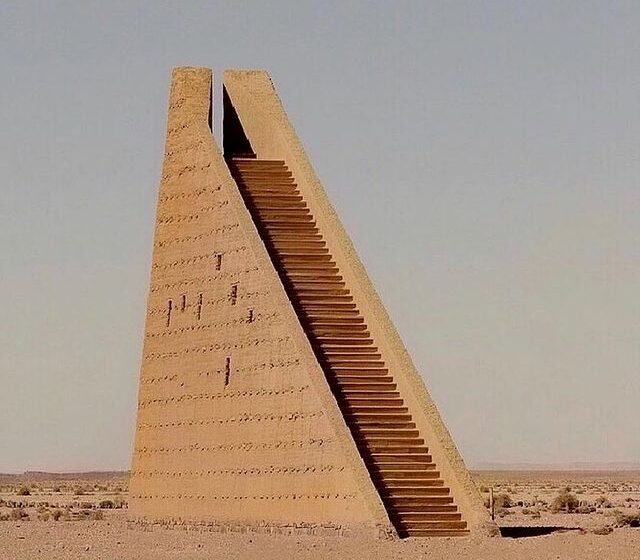
Hannsjörg Voth is a German artist who built three large-scale land art works in the Moroccan desert between 1980 and 2003. All three are in the Plaine de Marha. Himmelstreppe (Stairway to Heaven) is a 19-metre staircase with 56 steps, built so the top frames the stars like an observatory. Goldene Spirale (Golden Spiral) is a 260-metre spiral wall, about 6 metres high, with a well and a boat at its centre. Stadt des Orion (City of Orion) is the biggest: seven towers laid out like the constellation Orion, their sizes matched to the stars’ brightness. All three link the land to the sky and are meant to be seen in the desert, not in a gallery. You need a 4×4 vehicle or a guided trip to reach them.
This tour include a visit:

12. Kasbahs of Rissani

Rissani is one of the oldest towns in the region and was the capital of Tafilalet, the heartland of the Alaouite dynasty. Around the town you’ll see ksars—fortified villages made of rammed earth and mud brick, with high walls, towers and narrow alleys. They’re not single buildings but whole fortified settlements where families and clans lived. Some are in ruins; others are still in use. Walking through them gives you a sense of how people lived and defended themselves at the edge of the desert. Combine a visit with the Rissani market if you come on a market day. The ksars are a short drive from Merzouga and are often included in desert and off-road trips.
This tour include a visit:

13. Khettarat

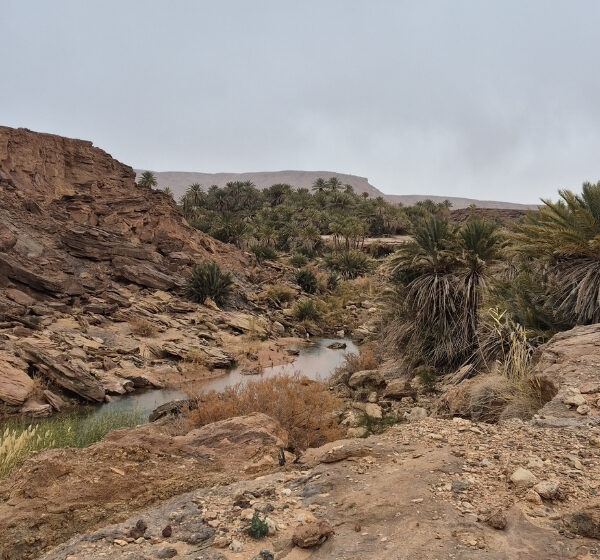
The khettarat (or khettara; you may also see “khattarat”) are old underground canals that bring water from the foothills to the oases and palm groves. They were dug by hand and run underground so the water doesn’t evaporate in the heat. From the surface you see lines of shafts—holes in the ground that follow the slope down to the fields. In some places you can go inside and walk (or crawl) along the canal to see how they were built and how the water flows. They’re a traditional way of watering the desert and have been used here for centuries. In the area around Rissani and Erfoud you can visit sections where the shafts are visible and where going inside is possible. Best done with a guide or as part of a trip through the region.
This tour include a visit:

14. Gara Medouar

Gara Medouar is a striking natural landmark in the desert near Merzouga: a circular, crater-like mountain that rises from the plain and stands out from the rest of the landscape. Its shape and isolation have made it a popular film location. The James Bond film Spectre used it as the villain’s desert headquarters, and the explosion filmed there holds the Guinness World Record for the largest film stunt explosion ever shot. It’s one of the desert’s most recognisable sights.
You can do this with Sahara Aventuras.

This tour include a visit:

15. Khamlia village – Gnawa music

Khamlia is a small village near Merzouga whose community is linked to the Gnawa tradition. The Gnawa are known for their music: hypnotic rhythms, the three-stringed guembri, metal castanets (qraqeb) and call-and-response singing, often in a spiritual or trance style. In Khamlia you can hear live Gnawa performances, usually with tea and a short explanation of the music and its history. The village is used to visitors; performances are often arranged through a guide or your accommodation. It’s a different side of the desert—sound and ritual rather than dunes and camels—and one of the things to see around Merzouga.

Conclusion

Merzouga has enough to fill a weekend or a week. Choose what you like; the desert will still be there. If you need help planning or want something special, get in touch—we can help.